Omnichannel Ecommerce: Unifying Retail Experiences for Growth
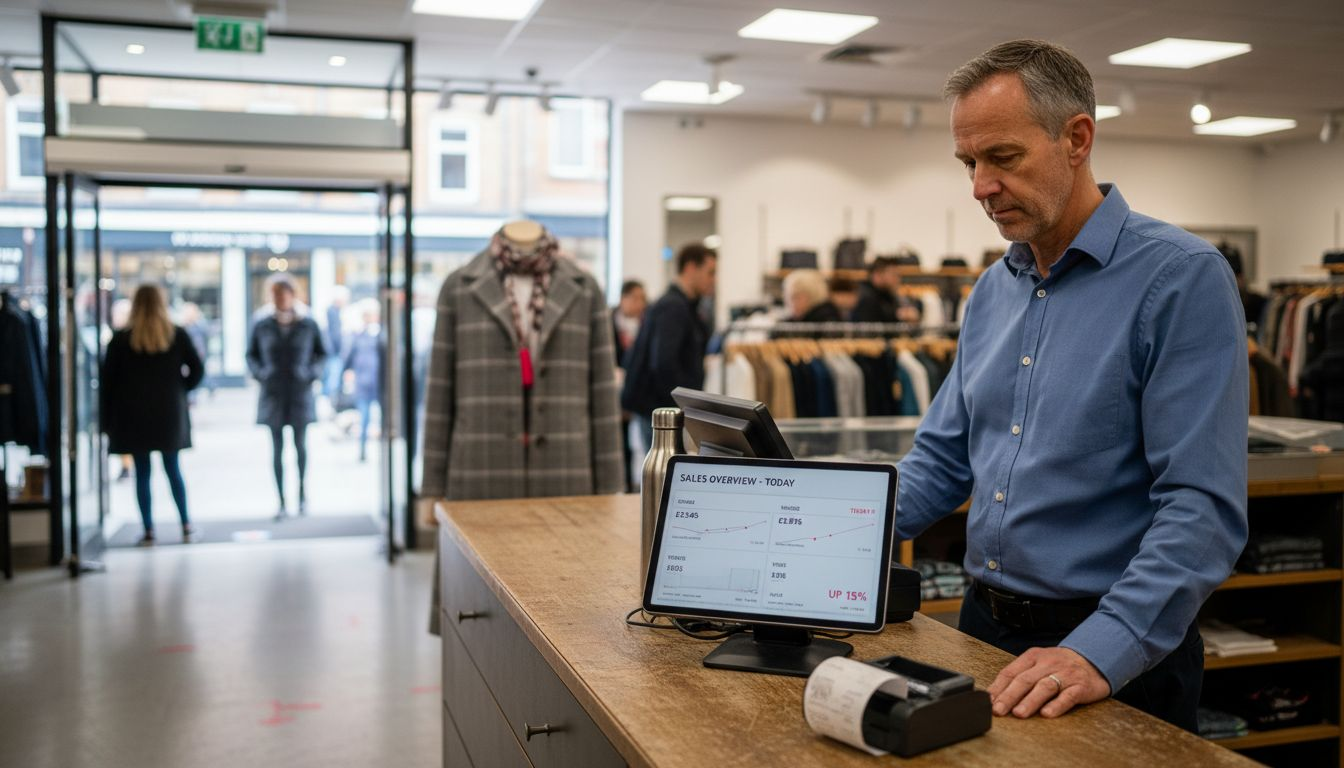
Managing multiple sales channels often leaves Ecommerce managers wrestling with fragmented data and inconsistent customer experiences. As the boundaries between digital and physical stores blur, the need for a truly integrated approach becomes urgent for UK retail brands. Adopting seamless customer experiences through omnichannel ecommerce empowers retailers to unify their operations, streamline journeys, and deliver connected shopping moments that foster loyalty and drive repeat purchases.
Table of Contents
- What Omnichannel Ecommerce Really Means
- Types of Channels and Retail Integration
- Key Technologies and Processes Involved
- Benefits for UK Retail Brands
- Common Pitfalls and How to Avoid Them
Key Takeaways
| Point | Details |
|---|---|
| Omnichannel Integration | A seamless customer experience is achieved through the integration of multiple channels, allowing fluid interactions across digital and physical touchpoints. |
| Technological Backbone | Robust technologies such as ERP and CRM systems are essential for effective omnichannel retail, enabling real-time data synchronisation and unified operations. |
| Customer-Centric Strategy | Focusing on personalised customer journeys enhances engagement and loyalty, supporting long-term growth in a competitive market. |
| Common Implementation Pitfalls | Retailers must address challenges such as fragmented data management and inadequate technological integration to avoid undermining their omnichannel initiatives. |
What Omnichannel Ecommerce Really Means
Omnichannel ecommerce represents a sophisticated retail strategy designed to create seamless customer experiences across multiple platforms. Unlike traditional multi-channel approaches, omnichannel focuses on true integration and consistency, ensuring customers can interact with a brand effortlessly whether they’re shopping online, via mobile, or in a physical store.
At its core, omnichannel ecommerce means breaking down channel barriers to deliver a unified shopping journey. This approach recognises that modern consumers expect fluid interactions, moving between digital and physical touchpoints without friction. Key characteristics include:
- Consistent pricing and product information across all channels
- Ability to start a purchase on one platform and complete it on another
- Integrated inventory management
- Personalised customer experiences based on comprehensive data
- Seamless customer service across digital and physical platforms
The strategic goal of omnichannel goes beyond mere convenience. By providing a holistic, interconnected shopping experience, retailers can significantly enhance customer loyalty and drive long-term growth. Businesses adopting comprehensive strategies often see improved customer retention and increased transaction values.
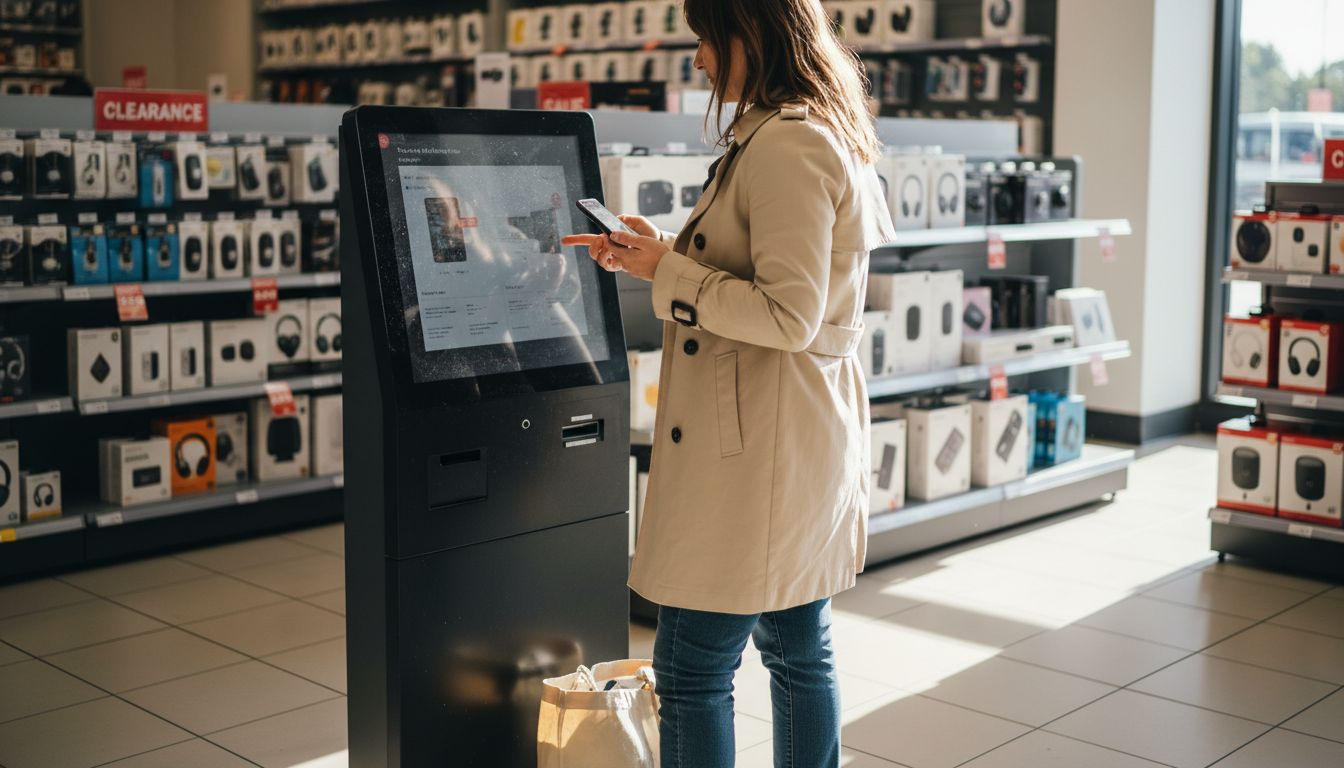
Here’s how omnichannel and multichannel retail strategies differ:
| Aspect | Omnichannel Approach | Multichannel Approach |
|---|---|---|
| Customer Experience | Unified and consistent across channels | Varies by channel |
| Data Integration | Single shared database | Separate data silos |
| Journey Flexibility | Customers switch channels seamlessly | Switching requires repetition |
| Inventory Management | Real-time, integrated across channels | Channel-specific, less visibility |
| Brand Messaging | Cohesive and personalised messaging | Potentially inconsistent by channel |
Pro tip: Map your customer’s potential journey across all platforms before implementing an omnichannel strategy to identify potential integration points and potential friction areas.
Types of Channels and Retail Integration
Omnichannel retail encompasses a diverse array of digital and physical sales channels that work together to create a seamless customer experience. Retail channel integration involves connecting multiple touchpoints to ensure consistent and smooth interactions throughout the customer journey.
The primary channels in an omnichannel strategy include:
- Physical retail stores
- E-commerce websites
- Mobile applications
- Social media platforms
- Marketplaces (Amazon, eBay)
- Telephone sales centres
- Catalogue sales
- Pop-up stores and temporary retail spaces
Customer interaction stages span multiple touchpoints, including:
- Pre-purchase research
- Product discovery
- Price comparison
- Purchase transaction
- Delivery and fulfilment
- Post-purchase support
- Returns and exchanges
Successful omnichannel integration requires seamless coordination between different channel agents, including manufacturers, digital retailers, physical stores, and logistics providers.
Comprehensive channel integration demands sophisticated technological infrastructure that enables real-time data synchronisation, unified inventory management, and consistent pricing across all platforms. Retailers must invest in robust technological solutions that enable smooth information flow and create a unified customer experience.
Pro tip: Conduct a thorough audit of your existing channels to identify potential integration gaps and opportunities for creating a more cohesive customer journey.
Key Technologies and Processes Involved
Omnichannel technologies form the critical backbone of seamless retail experiences, enabling businesses to synchronise data and operations across multiple channels. Advanced digital infrastructure has become essential for retailers seeking to create integrated and responsive customer journeys.
Key technological components include:
- Enterprise Resource Planning (ERP) systems
- Customer Relationship Management (CRM) platforms
- Real-time inventory management software
- Unified data analytics engines
- Cloud-based synchronisation technologies
- Machine learning personalisation tools
- Application Programming Interfaces (APIs)
Operational processes that support omnichannel integration involve:
- Centralised data management
- Cross-channel inventory synchronisation
- Consistent pricing strategies
- Unified customer profiling
- Seamless order fulfillment
- Integrated marketing communications
- Personalised customer experiences
Successful omnichannel technology implementation requires holistic alignment between marketing, sales, logistics, and customer service functions.
Integrated digital technologies demand sophisticated infrastructure that connects marketing and supply chain management. Retailers must develop flexible technological ecosystems that can adapt to changing consumer behaviours and emerging digital platforms.
Pro tip: Conduct regular technology audits to ensure your digital infrastructure remains agile and capable of supporting evolving omnichannel strategies.
The following table summarises major omnichannel technology components and their business impacts:
| Technology Component | Core Function | Business Impact |
|---|---|---|
| ERP Systems | Centralise business operations | Streamlines resource allocation |
| CRM Platforms | Manage customer interactions and profiles | Enhances retention and personalisation |
| Real-time Inventory Software | Sync stock data across channels | Reduces stockouts and over-selling |
| Unified Data Analytics | Combine customer and sales data | Improves marketing and forecasting |
| APIs | Connect disparate platforms and systems | Enables agile feature updates |
Benefits for UK Retail Brands
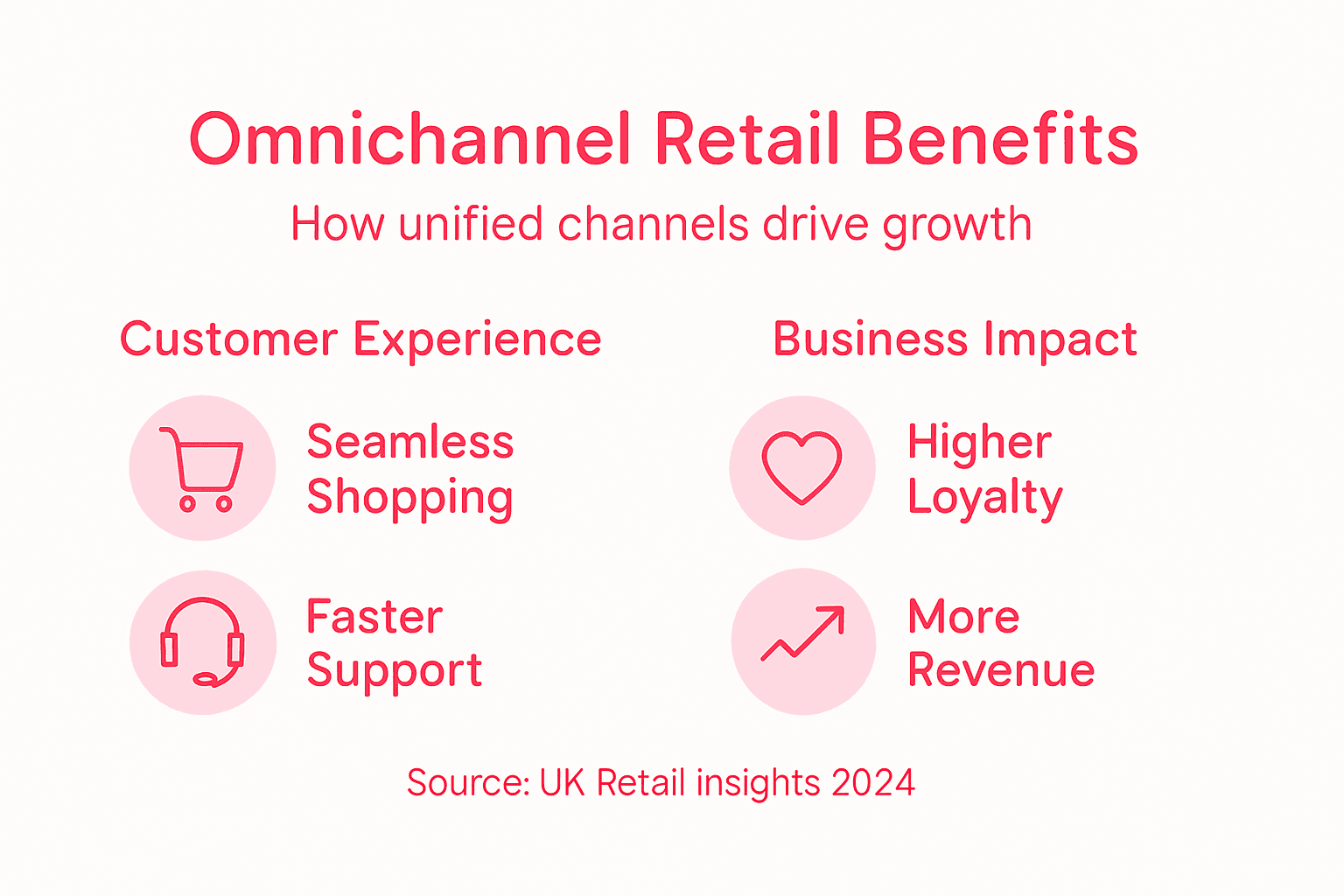
Omnichannel strategies have emerged as a transformative approach for UK retailers seeking to adapt to increasingly complex consumer expectations. Digital transformation in retail now demands a sophisticated approach that seamlessly integrates online and offline shopping experiences.
Key benefits for UK retail brands include:
- Enhanced customer satisfaction
- Improved operational efficiency
- More personalised marketing opportunities
- Increased customer loyalty
- Better data-driven decision making
- Reduced customer acquisition costs
- Expanded market reach
These strategic advantages enable retailers to create more responsive and adaptive business models. UK retail brands are leveraging advanced technologies to provide integrated experiences across multiple channels, allowing customers to transition effortlessly between digital and physical touchpoints.
Successful omnichannel strategies transform traditional retail limitations into opportunities for innovation and customer connection.
Retailers can now develop sophisticated loyalty programmes that track customer interactions across platforms, providing personalised recommendations and experiences that significantly improve engagement and repeat business.
Pro tip: Invest in robust data integration technologies that allow seamless tracking and personalisation of customer journeys across all retail channels.
Common Pitfalls and How to Avoid Them
Omnichannel implementation presents numerous challenges for retail brands seeking to create seamless customer experiences. Retailers frequently encounter critical obstacles that can derail their digital transformation efforts if not carefully managed.
Common pitfalls include:
- Fragmented customer data management
- Inconsistent pricing across channels
- Lack of technological integration
- Poor supply chain synchronisation
- Insufficient staff training
- Neglecting customer-centric design
- Underestimating competitive pressures
Specific challenges retailers must address involve:
- Siloed departmental operations
- Inadequate technology infrastructure
- Misaligned performance metrics
- Weak data governance
- Limited cross-channel visibility
Successful omnichannel strategies demand a holistic approach that breaks down traditional organisational barriers.
Effective omnichannel execution requires retailers to develop flexible technological architectures and centralized product information management systems that can adapt to evolving customer expectations.
Pro tip: Conduct a comprehensive audit of your existing systems and processes, identifying integration gaps and potential technological limitations before launching a full omnichannel strategy.
Elevate Your Retail Experience with Expert Omnichannel Ecommerce Solutions
The article highlights the critical challenge UK retailers face when seeking to unify customer journeys across diverse channels while maintaining consistent pricing, seamless inventory management, and personalised experiences. At Big Eye Deers, we understand that fragmented data and disconnected systems hold back business growth and customer loyalty. We specialise in building advanced Magento and Shopify platforms tailored to integrate ERP systems, centralise inventory, and enable seamless user journeys from discovery to fulfilment.
Unlock the true potential of omnichannel ecommerce with our expertise including custom catalogues, tiered pricing, and multi-store setups that support both direct-to-consumer and wholesale models. Our design-first approach using Figma ensures your customers enjoy intuitive interactions that drive conversion and retention. Stay secure and performant with ongoing support employing technologies like Sansec to safeguard your platform.
Ready to transform fragmented retail experiences into a unified growth engine Join the many UK retail brands partnering with Big Eye Deers to deliver omnichannel ecommerce excellence. Discover how our Magento Open Source and Adobe Commerce solutions can synchronise your sales channels and elevate customer satisfaction. Visit our homepage today to start your journey towards seamless omnichannel success and explore tailored strategies at https://bigeyedeers.co.uk.
Frequently Asked Questions
What is omnichannel ecommerce?
Omnichannel ecommerce is a retail strategy focused on creating seamless customer experiences across multiple platforms, integrating online, mobile, and physical store interactions.
How does omnichannel differ from multichannel retailing?
Omnichannel ensures a unified and consistent customer experience across all channels, while multichannel may result in varying experiences depending on the channel used. Omnichannel provides real-time data integration and flexibility for customers to switch channels seamlessly.
What technologies support an omnichannel retail strategy?
Key technologies include ERP systems, CRM platforms, real-time inventory management software, unified data analytics engines, and machine learning personalisation tools. These technologies help synchronise data and operations across multiple channels.
What are the benefits of implementing an omnichannel strategy for retailers?
Benefits include enhanced customer satisfaction, improved operational efficiency, more personalised marketing opportunities, increased customer loyalty, better data-driven decision-making, and reduced customer acquisition costs.
Recommended



Adobe Commerce (Magento)
Formerly known as Magento, Adobe Commerce is built for complex catalogues, integrations, and long term growth. We design and develop stable, scalable stores that support demanding eCommerce requirements, including multi-store setups, complex pricing, and Hyva based performance improvements.

Bespoke Build
We design and build custom eCommerce platforms for businesses with complex workflows, integrations, or non standard requirements. Built from scratch around your business needs using Laravel and modern architectures.

Working with brands across the UK from our offices in Cardiff and Exeter, you deal directly with a senior team of designers and developers specialising in Shopify, Magento, WordPress and bespoke eCommerce platforms.
We focus on commercial outcomes. Better conversion rates, strong SEO foundations and eCommerce platforms that continue to improve long after launch.